
Are you 18 or older?

This site contains sexy-themed games and quizzes intended for adults. You must be at least 18 years old to enter.

By entering you accept our Privacy & Cookie Policy.

We use technical cookies to make the site work and remember your preferences and, with your consent, third-party advertising cookies. See our Privacy & Cookie Policy.

ECCHI
🏠Home 🏆Rankings 💬Chat 📰All news
📌Hentai 📌Anime / Manga Ecchi 📌Giochi Ecchi 📌Film & Serie TV Erotiche 📌Mondo dell'Erotismo 📌Erotismo & Tech
📜Lollipop Chainsaw 2 Back2Back: Juliet returns in 2027 on PS5 📜Stripchat launches Magic Search: image search in live 📜Lollipop Chainsaw: Live-action film announced for the big screen 📜ChatGPT opens up to verified adult erotic content 📜Otonari no Nie: T-Rex Announces Two OVA Hentai Adaptation 📜Wonders.ai launches 'darlin': the AI companion that remembers every word you say
Erotismo & Tech
August 29, 2026

AI and CSAM: The US Supreme Court Opens the Door to New Legislation

AI and CSAM: The US Supreme Court Opens the Door to New Legislation
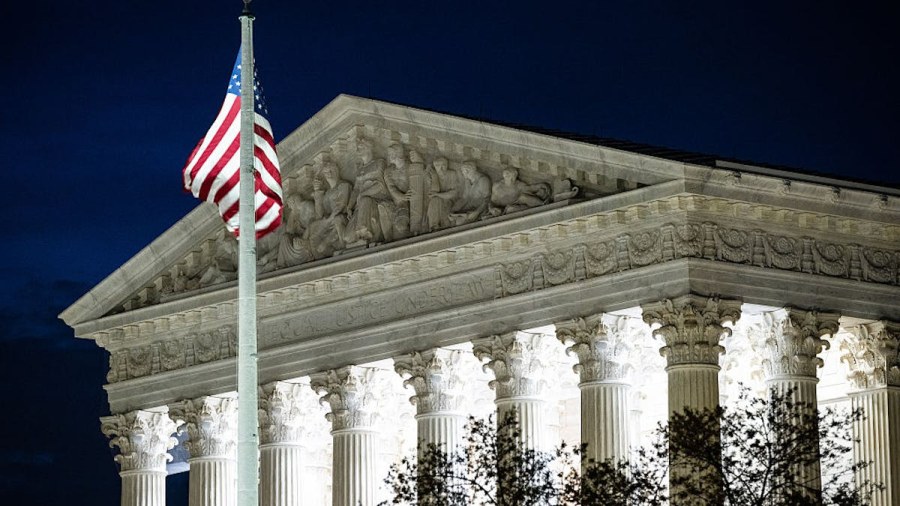
A U.S. federal court has ruled that possessing AI-generated images of child abuse is protected by the First Amendment, but has asked the Supreme Court to review existing legal precedents in light of new technology.

The U.S. Seventh Circuit Court of Appeals has issued a landmark ruling that redefines the legal boundaries between digital privacy and the right to freedom of expression. The case involves Steven Anderegg, a man from Wisconsin who was charged with creating thousands of sexually explicit images of children using artificial intelligence-based image generators. The court affirmed that the government cannot prosecute the mere private possession of these virtual materials, citing Supreme Court precedents that protect the possession of content not depicting real minors.

However, the decision is not final. The judges emphasized that today's technology is radically different from that which existed when the legal precedents were established in the 1920s, making it difficult to distinguish between real and virtual material. The ruling therefore invites the Supreme Court to review the matter, as the increasing volume of AI-generated images is creating significant challenges for law enforcement and for the protection of fundamental rights.

This verdict highlights a regulatory gap that is widening rapidly with the evolution of AI. Although the creation and distribution of such images may still be subject to legal proceedings, the protection of the private sphere remains a fixed point, at least until the highest judicial authority intervenes to update the laws to keep pace with the times.

Comments (0)

No comments yet. Write the first one!

← Back to home
The News section of ecchi.it is amateur and non-profit. Articles are written with AI assistance from public sources, without a professional newsroom or systematic editorial review: they may contain inaccuracies. This is not a registered press outlet under Italian law (L. 62/2001). Images, when not original, come from external sources for illustrative purposes only. If you find an article offensive, inaccurate, or think it should not be published — or you hold rights to a text or image and want it removed — let us know and we will act promptly.
Contact: info@quoz.it
Home 📰 All news