
The U.S. Seventh Circuit Court of Appeals has issued a landmark ruling that redefines the legal boundaries between digital privacy and the right to freedom of expression. The case involves Steven Anderegg, a man from Wisconsin who was charged with creating thousands of sexually explicit images of children using artificial intelligence-based image generators. The court affirmed that the government cannot prosecute the mere private possession of these virtual materials, citing Supreme Court precedents that protect the possession of content not depicting real minors.
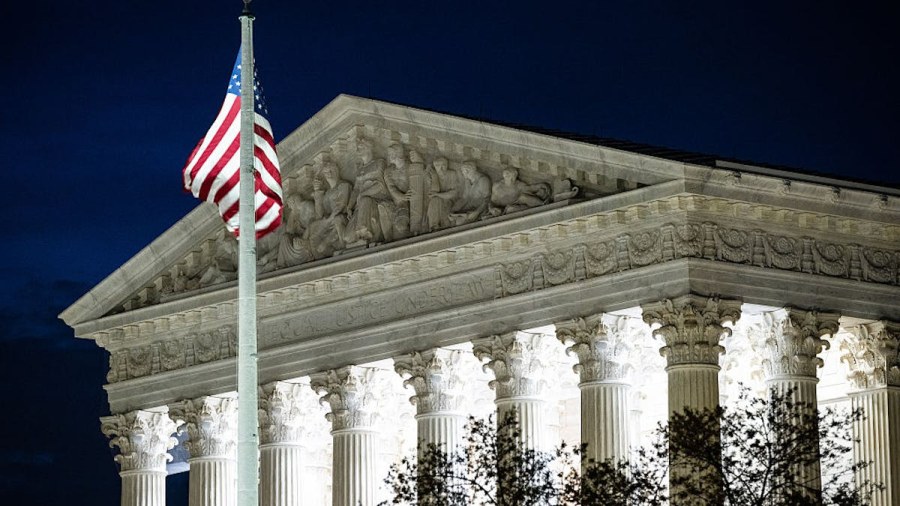
However, the decision is not final. The judges emphasized that today's technology is radically different from that which existed when the legal precedents were established in the 1920s, making it difficult to distinguish between real and virtual material. The ruling therefore invites the Supreme Court to review the matter, as the increasing volume of AI-generated images is creating significant challenges for law enforcement and for the protection of fundamental rights.
This verdict highlights a regulatory gap that is widening rapidly with the evolution of AI. Although the creation and distribution of such images may still be subject to legal proceedings, the protection of the private sphere remains a fixed point, at least until the highest judicial authority intervenes to update the laws to keep pace with the times.

Comments (0)
No comments yet. Write the first one!